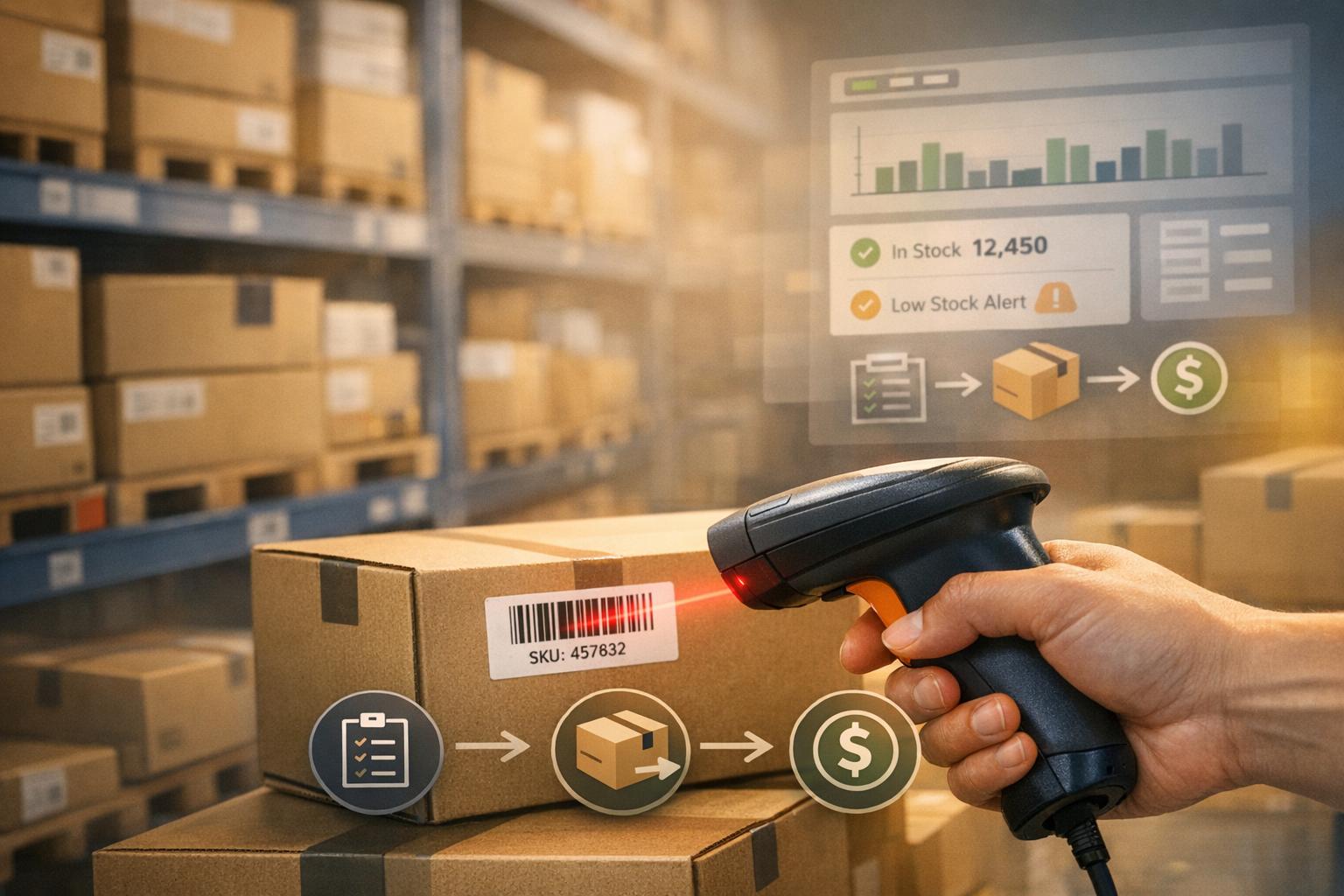
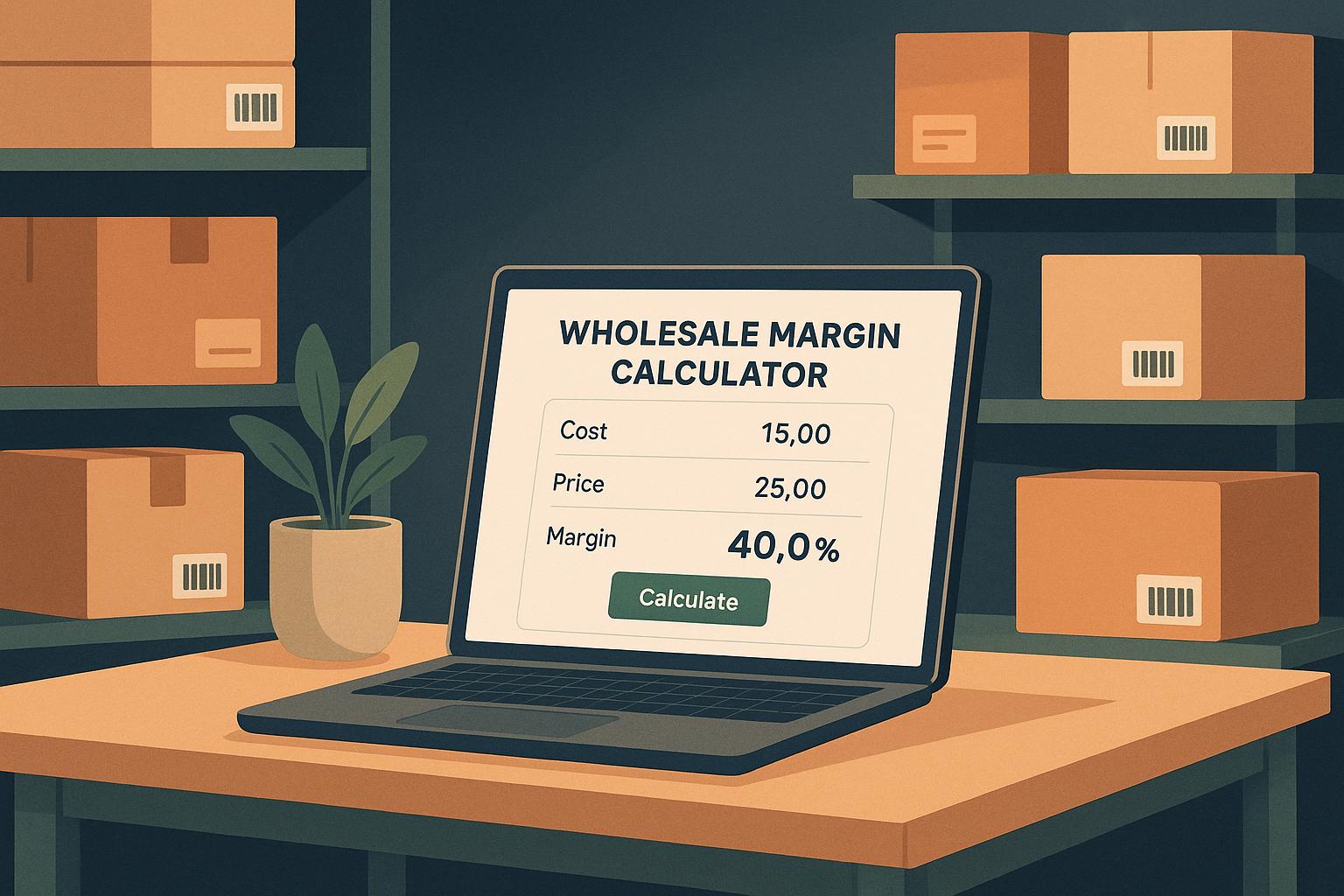
Surplus inventory is a common problem for e-commerce businesses. It ties up cash, increases storage costs, and can lead to waste if not managed effectively. Global B2B marketplaces provide a solution by connecting sellers with bulk buyers worldwide, offering faster sales, secure payments, and reduced waste.
Key Takeaways:
- What is surplus inventory? Unsold stock due to overproduction, returns, or missed sales windows.
- The problem: Holding surplus inventory drains cash and storage space, with liquidators often offering only 10-30% of retail value.
- The solution: Global marketplaces, like ForthClear, help sellers list surplus goods for verified buyers globally, ensuring faster sales and higher recovery rates.
- Benefits: Quick cash recovery, access to international buyers, and reduced waste through redistribution.
By using features like automated inventory detection, tiered pricing, and secure escrow payments, businesses can turn surplus inventory into cash while minimizing losses and keeping products in circulation.
How Liquidating Unwanted Goods Became A $644 Billion Business
sbb-itb-bc600a0
Benefits of Using Global B2B Marketplaces for Surplus Liquidation
Global platforms simplify the process of connecting sellers with bulk buyers, making it easier to manage inventory and maintain cash flow effectively.
Fast Cash Recovery from Surplus
When it comes to surplus inventory, speed is everything. Global B2B marketplaces accelerate the sales process with automated tools and efficient workflows. For example, platforms that integrate directly with e-commerce stores - like those using a Shopify App - can automatically flag unsold items, giving you the chance to act quickly.
Payment systems are just as efficient. Secure escrow services, often powered by Stripe, ensure buyer funds are held safely and released to sellers after delivery confirmation or within 14 days if no disputes arise. This setup allows businesses to recover between 10% and 30% of the retail value through professional liquidation channels. Compared to traditional methods, this approach gets cash back into your business much faster.
"Easy to get started and offload some of our products that were nearing expiry date. Very helpful that ForthClear helps to find buyers in the process."
- Hylke Reitsma, Co-founder, vybey
Features like bulk CSV uploads and real-time messaging make it easier to manage listings and close deals, even across different time zones. These tools not only speed up cash recovery but also connect you with qualified buyers globally.
Access to Verified Buyers Worldwide
Traditional liquidation often limits you to local buyers or small-scale deals, which can cap your sales potential. Global B2B marketplaces remove these barriers by offering access to a network of verified bulk buyers in regions like North America, Europe, and Asia-Pacific. Rigorous verification processes - including background checks and business validation - help reduce risks like fraud and non-payment.
These platforms also come equipped with international tools, such as tariff estimators, shipping calculators, and multi-currency support. These features make cross-border transactions more manageable, allowing you to confidently quote prices and negotiate directly with buyers for large-scale deals.
"ForthClear has revolutionized how we handle excess inventory. The secure payment system and quality suppliers have made our sourcing process efficient."
- Gordon Belch, Co-founder, vybey
Reducing Waste Through Liquidation
Beyond financial gains, these marketplaces contribute to smarter inventory management by reducing waste. Unsold inventory left sitting too long is at risk of becoming landfill material. Global B2B platforms create secondary markets for overstock, returns, and end-of-line items, giving these products a second chance to generate profit.
The environmental impact is undeniable. By facilitating sales across multiple regions, these platforms prevent market saturation in one area, which might otherwise lead to disposal. This proactive approach supports a more sustainable economy by keeping products in use longer and conserving resources.
How to Liquidate Surplus Inventory on a Global B2B Platform
Turning excess inventory into cash doesn’t have to be a headache. With the right approach, you can quickly transform unsold stock into working capital and free up valuable warehouse space.
Step 1: Identify and Prepare Your Surplus Inventory
Start by flagging products that haven’t sold in over 60 days - often referred to as dead stock. If you're using Shopify, integrations can automatically identify these items for you. Once you’ve pinpointed the surplus, organize it into categories like overstock, customer returns, end-of-line products, or items nearing expiration.
Next, prepare your product data for bulk uploads. Use a CSV or Excel file to include essential details such as SKU numbers, quantities, dimensions, and original retail prices. Don’t forget to add high-quality, multi-angle photos to make your listings look polished and professional. Automated image tools can also help speed up this process. Once everything is ready, you’re set to choose the ideal marketplace for your needs.
Step 2: Select a B2B Marketplace
Picking the right marketplace is crucial to ensure secure and efficient sales. Look for platforms that prioritize verified buyers and secure payment systems. For instance, ForthClear screens all users to ensure you’re dealing with legitimate businesses. It also offers free product listings and charges only a 5% fee when a sale goes through.
Other helpful features to look for include bulk upload options, international shipping support with tariff estimates, and escrow payment systems. If you’re using Shopify, platforms like ForthClear can sync your inventory automatically and even flag stagnant products, saving you time.
Step 3: Create and Optimize Your Listings
Your listings need to stand out while providing all the essential details buyers are looking for. Use concise, keyword-rich titles that include the brand, product type, quantity, and key specifications. For descriptions, bullet points are your best friend - list technical specs, condition details, potential use cases, minimum order quantities (MOQs), and any extra costs like taxes or shipping fees.
Consider tiered pricing to encourage bulk purchases: standard pricing for smaller orders, 15% off for orders of 50–99 units, and 20% off for 100+ units. If you’re selling internationally, include tariff estimates and display prices in multiple currencies so buyers can easily calculate their total costs.
Step 4: Manage Payments and Shipping
Secure payments are a must in B2B transactions. Opt for platforms with escrow services, where funds are held until the buyer confirms delivery. Be sure to calculate the total landed cost, factoring in the sale price, shipping fees, freight, import duties, taxes, and platform fees. For example, if you sell a pallet for $500 but spend $200 on shipping and $25 on platform fees, your net revenue will be closer to $275.
Choose carriers that offer real-time tracking and automated notifications to build trust and reduce disputes. For international shipments, freight forwarders can help navigate customs regulations. Additionally, enabling quote requests on your listings allows buyers to negotiate directly for larger quantities, which can be a game-changer for high-volume sales.
By following these steps, you can efficiently turn surplus inventory into cash while minimizing hassle.
| Step | Action Required | Tool/Feature to Use |
|---|---|---|
| Identification | Flag items unsold for 60+ days | Auto-detect/Shopify Integration |
| Organization | Sort inventory into categories | CSV/Excel Upload |
| Pricing | Offer volume-based discounts | Tiered Pricing Tools |
| Security | Protect transaction funds | Stripe Escrow Payments |
Traditional Liquidation Methods vs. Global B2B Marketplaces
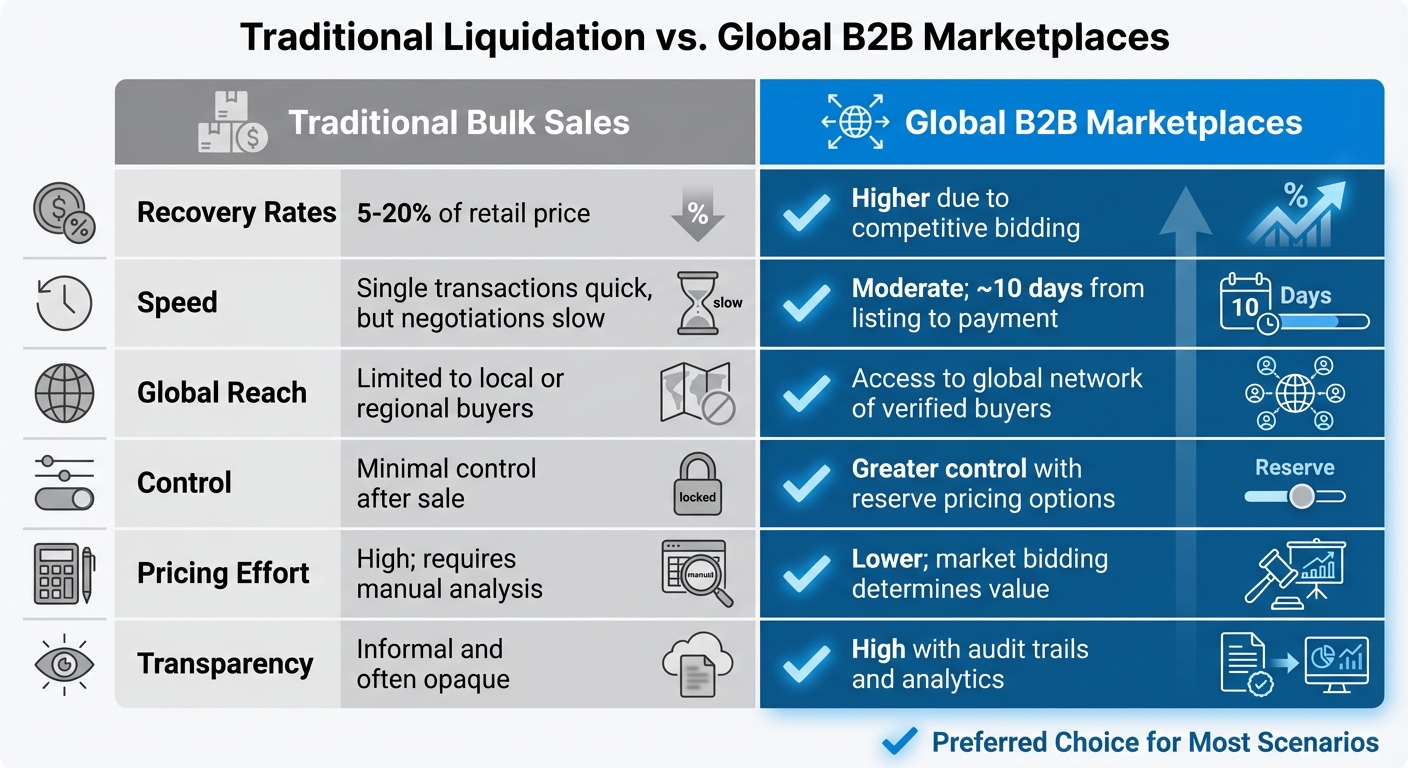
Traditional Liquidation vs Global B2B Marketplaces Comparison
For years, businesses have relied on bulk sales and direct negotiations to offload surplus inventory. While these methods have their place, they come with challenges that modern global B2B marketplaces are built to solve.
Traditional bulk sales often involve one-on-one negotiations with familiar buyers, such as large liquidators or regional wholesalers. This approach is labor-intensive and lacks transparency. Buyers have limited opportunities to compare offers, which can result in lower recovery values - typically between 5% and 20% of the retail price.
Global B2B marketplaces, on the other hand, foster competitive bidding. Instead of negotiating with a single buyer, your inventory is showcased to a network of verified global buyers, creating competition that drives up recovery rates. These platforms also simplify logistics, managing shipping, customs, and export compliance seamlessly.
"Liquidation is not just about selling off assets, it's about optimizing profitability and turning challenges into opportunities."
– Jessica Gonzalez, Founder, Happen Ventures
Comparing Traditional and Modern Approaches
| Feature | Traditional Bulk Sales | Global B2B Marketplaces |
|---|---|---|
| Recovery Rates | Typically 5–20% of retail price | Higher, due to competitive bidding |
| Speed | Single transactions may be quick, but negotiations are slow | Moderate; about 10 days from listing to payment |
| Global Reach | Limited to local or regional buyers | Access to a global network of verified buyers |
| Control | Minimal control after sale | Greater control, with options like reserve pricing |
| Pricing Effort | High, requiring manual analysis | Lower, as market bidding determines value |
| Transparency | Informal and often opaque | High, with audit trails and analytics |
The most effective strategy often blends both methods. Global B2B marketplaces work well for smaller pallets and varied product categories, while direct private sales remain ideal for high-value truckloads and established buyer relationships. Reserve pricing ensures sales don’t dip below your acceptable minimum.
ForthClear exemplifies how modern tools and global networks can transform surplus liquidation into a streamlined, profitable process. With features like Shopify integration, secure Stripe escrow payments, and a vast network of verified buyers, ForthClear turns surplus inventory into working capital quickly and efficiently.
Best Practices for Ongoing Surplus Liquidation
Handling surplus inventory once can help, but creating a repeatable system ensures excess stock doesn’t pile up over time. Businesses that treat liquidation as an ongoing process rather than a one-off emergency can recover more cash and reduce the need for additional storage space.
Automate Your Inventory Management
Modern inventory systems make it easier to spot dead stock early. For example, ForthClear’s Shopify integration automatically flags slow-moving items for immediate liquidation, saving hours of manual effort and preventing inventory from sitting idle for months.
AI-driven forecasting takes this to the next level. By analyzing external factors like weather patterns, port delays, and social media trends, AI can predict demand far more accurately than traditional methods. This approach has been shown to improve ROI by up to 27% and boost operating margins by 9%. Real-time dashboards also give you visibility into SKU performance, allowing you to identify declining demand early enough to discount products before they lose value.
You can also streamline the process by uploading hundreds of SKUs through CSV or Excel files while the platform automatically pulls in product images. These tools set the foundation for implementing pricing strategies that drive faster sales.
Use Tiered Pricing to Increase Sales
Volume discounts are a powerful way to move inventory quickly. Offering lower per-unit prices for larger orders encourages buyers to purchase in bulk. Adding the option for custom quote requests gives buyers the flexibility to negotiate terms for larger orders beyond fixed price tiers. ForthClear’s built-in messaging system makes it easy to communicate with high-volume buyers and close deals faster.
Secure escrow payments are another helpful feature, holding funds until the buyer confirms delivery. This builds trust for large transactions and minimizes the risk of fraud.
Develop Relationships with Repeat Buyers
Once you’ve optimized your inventory and pricing, the next step is building relationships with reliable buyers. Establishing a network of repeat buyers creates a stable channel for surplus liquidation. Instead of constantly searching for new buyers, focus on cultivating partnerships with bulk purchasers and liquidators who know your products and trust your delivery standards. Private buyer lists can also help you offer exclusive deals while maintaining your brand’s value.
Transparency is key to fostering trust. Provide detailed manifests that include quantities, retail value estimates, and UPC codes or photos so buyers know exactly what they’re purchasing. Clear product condition labels - such as New, Like New, or Salvage - help avoid disputes and encourage repeat business.
"ForthClear has revolutionized how we handle excess inventory. The secure payment system and quality suppliers have made our sourcing process incredibly efficient."
– Gordon Belch, Co-founder, vybey
Combining data-driven inventory forecasting with strong buyer relationships can save businesses 10% to 20% on inventory costs annually. When done right, surplus liquidation becomes a predictable and profitable part of your operations rather than a last-minute scramble.
Conclusion
Excess inventory doesn't have to drain your resources or clog up valuable warehouse space. Global B2B marketplaces have reshaped how businesses handle surplus stock by connecting sellers with verified bulk buyers across the globe. Instead of relying on one-off deals with liquidators that yield just 10–30% of retail value, these platforms create competitive spaces where a variety of buyers can discover and bid on your inventory simultaneously.
The benefits go beyond quick cash recovery. Platforms like ForthClear simplify the process by automating tasks such as identifying dead stock after 60 days, allowing bulk uploads with CSV files, and securing transactions through escrow payments. This level of automation frees you up to focus on reinvesting recovered capital into faster-moving products.
There’s also an environmental upside. Keeping goods in circulation rather than sending them to landfills aligns profitability with environmental responsibility. These marketplaces turn what could be a logistical headache into an opportunity for both sustainability and growth.
The difference between struggling with surplus and managing it effectively lies in having the right tools. Whether it’s seasonal overstock, returns, or slow-moving SKUs, global B2B marketplaces provide the infrastructure to turn excess inventory into a business advantage. With free listings, a modest 5% fee only upon sale, and access to international buyers, the entry point is low.
Treat surplus liquidation as an ongoing strategy rather than a last-minute fix. Use features like inventory automation, tiered pricing, and repeat buyer engagement to maximize returns. By integrating these platforms into your operations, you can accelerate cash recovery and fine-tune your inventory for growth.
FAQs
How do I know which SKUs are truly surplus?
To find surplus SKUs, start by examining your inventory data for items that are slow-moving or have gone unsold for over 60 days. Look at the quantity on hand and compare it to sales or usage trends. This approach highlights excess stock - products that may be dragging down your business's efficiency and profitability.
What documents do I need to sell internationally?
To sell products internationally, you'll generally need several key documents. These include a commercial invoice, an export declaration, a bill of lading, and various customs forms. The exact requirements can differ based on the destination country and the specifics of your transaction. It's essential to review the regulations for your target market to ensure everything is in order for a seamless process.
How do escrow payments protect my sale?
Escrow payments provide a layer of security for your transaction by holding funds in a neutral account until the buyer confirms they’ve received the goods or services. This approach protects both the buyer and seller, minimizing the chances of fraud or disputes over payment.