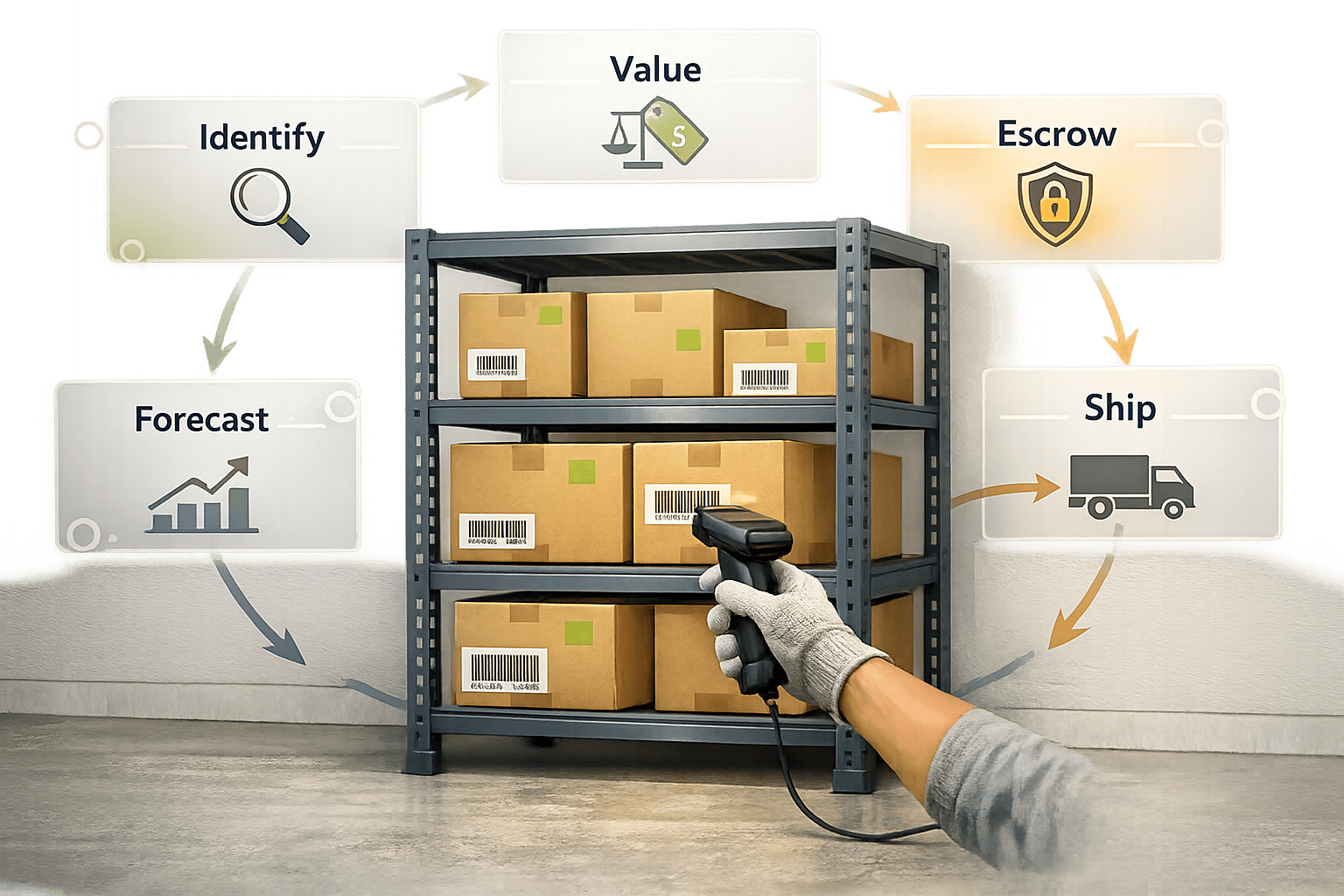
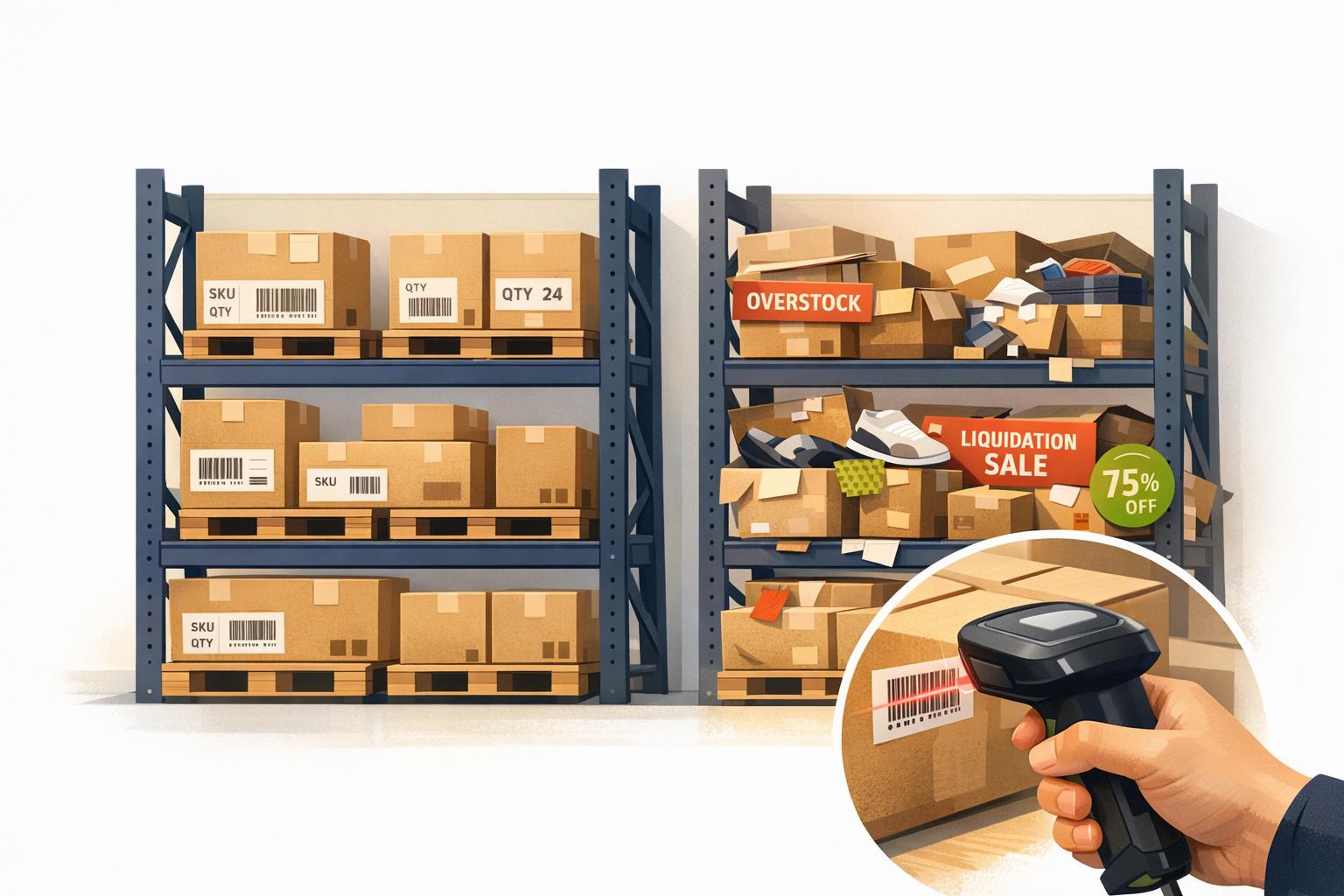
Auction models are a fast and effective way to sell surplus inventory. By allowing buyers to bid competitively, businesses can achieve higher recovery rates compared to fixed-price methods like wholesale or flash sales. This approach minimizes storage costs, generates immediate cash flow, and reduces the risk of outdated stock. Online platforms make it easy to reach a broad audience, track bids in real-time, and complete secure transactions. Here's a quick breakdown of why auctions work:
- Higher Returns: Competitive bidding often leads to 20–30% better recovery rates.
- Faster Sales: Auctions wrap up in days or weeks, unlike wholesale, which can take months.
- Broad Reach: Online platforms connect sellers with buyers nationwide or globally.
- Cost Savings: Quick inventory turnover reduces storage and depreciation costs.
- Data-Driven Decisions: Real-time analytics help optimize pricing and timing.
Businesses can use auctions to turn overstock into cash while avoiding waste, making it a practical solution for managing excess inventory.
I Bought 50 Pallets of Overstock and Returns at an Auction for $22k
Key Benefits of Using Auctions for Overstock
When it comes to managing excess inventory, auctions offer a dynamic solution that goes beyond just clearing out stock. They provide a range of advantages, from financial gains to operational improvements, making them an effective strategy for businesses dealing with surplus goods.
Competitive Bidding Brings Better Returns
At the heart of auctions is competitive bidding, which drives market-driven pricing. Unlike traditional clearance sales that rely on steep markdowns, auctions encourage buyers to compete, often pushing prices higher.
This process ensures that items, even those typically hard to sell without heavy discounts, can achieve better recovery rates. The final price reflects genuine market demand, often leading to profit margins that surpass those of standard liquidation methods or direct sales.
Quick Sales Mean Lower Costs
Speed is a major advantage of auctions. Traditional liquidation methods can stretch over months, tying up resources and costing money. Auctions, on the other hand, enable rapid turnover, providing businesses with immediate financial relief.
By clearing inventory quickly, businesses save on storage costs and avoid losses from depreciation. This quick action frees up capital, reduces overhead, and allows staff to focus on more productive tasks.
Reaching More Buyers with Online Platforms
Online auction platforms open the door to a much larger audience, connecting sellers with buyers across the country or even globally. This is especially useful for specialized or niche products - like electronics, fashion, or home goods - where finding the right buyer can make all the difference.
Take platforms like ForthClear, for example. They create a competitive environment that maximizes exposure for surplus inventory, increasing the chances of securing top bids. With broader reach and transparent processes, sellers can optimize their liquidation efforts.
Real-Time Data for Smarter Decisions
Modern auction platforms provide real-time data, from live bidding updates to order tracking and predictive analytics. Sellers can use this information to adjust pricing and timing on the fly, ensuring they stay aligned with current market trends.
These platforms also leverage automated valuation tools that analyze past liquidations, market conditions, and sales data to recommend the best pricing and sales strategies. Predictive analytics takes it a step further, helping businesses forecast future liquidation needs. By examining factors like sales trends, inventory aging, and seasonal shifts, companies can identify at-risk stock early and plan smarter liquidation strategies. This proactive approach leads to better results across the board.
Step-by-Step Guide to Liquidating Overstock via Auctions
Here’s how to efficiently liquidate overstock using auctions, leveraging competitive bidding and rapid sales to your advantage. The process unfolds in three key phases:
Preparing Inventory for Auction
The first step to a successful auction is understanding and documenting your inventory. Start by categorizing your surplus stock based on type, condition, and market value. This helps you decide which items are better suited for auction versus other liquidation methods.
Transparency is crucial. Create detailed condition reports that clearly state whether items are new, refurbished, or used. Highlight any defects, missing parts, or issues with packaging. For categories like electronics and apparel, where condition plays a big role in value, include specifics like serial numbers, model details, and the status of original packaging.
High-quality photos make a difference. Use clear, multi-angle shots to support your descriptions. Include close-ups of any damage or wear - this honesty builds trust and minimizes disputes after the sale. Professional images can even help drive up final bid prices.
To streamline the process, upload inventory in bulk using tools like CSV imports. Be sure to include key details such as SKUs, quantities, and starting prices. Adding context, like the original purchase date or retail price, can make items more appealing to buyers and potentially increase bids.
Once your inventory is organized and documented, you’re ready to move on to listing and managing your auctions.
Listing and Managing Auctions
Start by setting competitive pricing. A starting price slightly below wholesale value can spark bidding and create urgency. Reserve prices should reflect the absolute minimum you’re willing to accept, factoring in your recovery goals and the current market landscape.
Use past auction results as a guide. Many platforms provide historical data that can help you identify successful pricing strategies for similar products. If you’re dealing with high-value or niche items, consulting with auction platform experts can provide valuable insights.
Accuracy is key. Double-check SKUs, descriptions, and images to avoid issues later. Inventory management software that integrates with auction platforms can simplify this process, especially if you’re handling a large volume of items.
Keep a close eye on bidding activity through platform dashboards and notifications. Pay attention to which lots attract the most interest and use this data to refine your approach for future auctions. Respond quickly to bidder questions, and consider extending auction times for high-value items that are seeing a surge in activity. For items that aren’t moving, adjust pricing or improve the descriptions and photos to boost interest.
Completing Transactions Securely
Once the auctions close, the focus shifts to completing transactions securely. Reliable payment processing is a must to ensure smooth, fraud-free transactions. Escrow services are highly recommended, as they hold funds until buyers confirm successful delivery. This added layer of security builds trust and reduces risks for all parties involved.
Platforms like ForthClear offer robust security features, including escrow payments via Stripe Connect, verified suppliers, and real-time order tracking. While they charge a 5% fee plus 2.9% + $0.30 per transaction, their verification processes and communication tools provide peace of mind for buyers and sellers alike.
"The secure payment system and quality suppliers have made our sourcing process incredibly efficient." - Gordon Belch, Co-founder
Once bids are finalized, promptly communicate with winning buyers. Confirm order details, arrange shipping, and share tracking information as soon as possible. Many platforms include built-in messaging systems that simplify communication and speed up deal closures. Real-time tracking ensures transparency from purchase to delivery.
Keep detailed records of every transaction for accounting and tax purposes. Track metrics like recovery rates, time to sale, and buyer satisfaction to evaluate the success of your auction strategy. This data will help you fine-tune your approach for future liquidations.
Finally, establish clear protocols for payment release. Funds should only transfer to sellers once buyers confirm successful delivery. This ensures both parties meet their obligations, fostering trust and encouraging repeat business. By following a systematic approach, you can streamline transactions and build lasting relationships with buyers.
sbb-itb-bc600a0
Comparing Auction-Based Liquidation to Other Methods
When businesses need to liquidate overstock, they typically turn to auctions, wholesale, or flash sales. Each method has its own impact on how quickly inventory moves, the level of pricing control, and the operational effort required. Here's a breakdown of how these approaches stack up and when they work best.
Comparison of Speed, Pricing, and Suitability
The table below outlines the key characteristics of these liquidation methods:
| Method | Speed | Pricing Control | Market Reach | Best For | Recovery Rate |
|---|---|---|---|---|---|
| Auction | Days to weeks | Market-driven competitive bidding | Broad/Global online audience | General merchandise, electronics, branded items | Often 20–30% higher than wholesale |
| Wholesale | Weeks to months | Negotiated fixed pricing | Limited to bulk buyers | Large volumes of standardized goods | Lower but guaranteed |
| Flash Sales | 24–72 hours | Seller-set discount pricing | Existing customer base | Seasonal, trendy, fast-moving items | Lowest (10–15% of original value) |
Speed is a critical factor. Flash sales are the fastest, clearing inventory within 24–72 hours, while auctions typically take days to weeks. Wholesale, by contrast, can stretch out over weeks or even months. For instance, a major electronics retailer facing a tight 30-day deadline for warehouse consolidation opted for weekly online auctions. They managed to recover 22% of the retail value while staying on schedule.
Pricing dynamics also differ. Auctions often yield higher returns, recovering 20–30% more value compared to wholesale. Flash sales, though quick, typically generate only 10–15% of the original value.
Market reach varies significantly. Online auction platforms attract a global mix of buyers, including both businesses and individuals. Wholesale transactions, however, are usually limited to a smaller group of bulk buyers in specific regions. Flash sales, on the other hand, are confined to a retailer’s existing customer base.
The type of inventory heavily influences which method is most effective. Auctions shine when it comes to high-value or niche items like electronics, industrial equipment, or branded apparel. Wholesale works best for large quantities of standardized goods, such as generic home items or bulk clothing. Flash sales are ideal for trendy, seasonal, or fast-moving products that need to sell quickly.
Each method comes with its own operational demands. Auctions require detailed listings and high-quality images but benefit from the convenience of online platforms. Wholesale involves direct negotiation, contract management, and logistics coordination. Flash sales demand rapid marketing efforts, inventory preparation, and consistent communication with customers.
A real-world example highlights these differences. An electronics retailer with excess returned smartphones tested all three methods simultaneously. Auctions generated the highest recovery rate - 28% above wholesale value - thanks to competitive bidding from resellers and refurbishers. The wholesale approach provided guaranteed pricing with a two-week turnaround, while the flash sale cleared inventory in just 48 hours but at a steep 40% discount, resulting in the lowest recovery.
Cost structures also play a role in net recovery. Auction platforms typically charge a commission, often between 5–15%, but they also offer added services like escrow and logistics. For example, ForthClear provides secure payments, verified suppliers, and real-time tracking for a modest fee. Wholesale sales may involve lower direct fees but require investments in negotiation, legal contracts, and transportation. Flash sales usually have minimal platform fees but often require significant marketing expenses.
Finally, each method comes with its own risks. Auctions can result in low bids or unsold lots, though these risks can be reduced with reserve prices and effective promotion. Wholesale sales face challenges like lower recovery rates and potential buyer reliability issues, which can be addressed through careful vetting and secure payment terms. Flash sales, while fast, risk harming the brand’s image or altering customer perceptions. These risks can be managed with strategic timing and thoughtful marketing.
Some businesses take a hybrid approach, combining wholesale for high-value items with auctions for the remaining stock. This strategy helps maximize recovery while keeping storage costs in check.
Best Practices for Auction Success
Running a successful auction for overstock liquidation takes more than just listing products - it requires careful strategy and attention to detail. Businesses that consistently achieve higher recovery rates do so by adopting practices that boost buyer interest and encourage competitive bidding.
Timing and Pricing Strategies
Timing is everything when it comes to auctions. Listing products early can help maximize returns while still preserving opportunities for full-price sales. For seasonal items, timing becomes even more critical. For instance, electronics tend to perform better in the fall, while apparel often moves faster before seasonal transitions. By analyzing sales trends, businesses can identify when inventory stops selling in regular channels and is ready to be moved to auction.
Starting prices should strike a balance: low enough to attract initial bids but not so low that they undervalue the inventory. For electronics, setting bids at 30–50% below retail value, with reserve prices about 20% above the cost of goods sold, can encourage competition while protecting minimum recovery goals. Spacing out auction listings over time is also key to avoiding market saturation and keeping buyer interest high.
Creating Accurate and Clear Listings
Clear, detailed listings are the backbone of a successful auction. Trust is built through transparency, so condition reports should be thorough. Include essential details like SKUs, quantities, purchase dates, and any defects. High-quality photos taken from multiple angles - along with images of packaging and labels - can make a big difference in communicating the item's condition and origin, whether it’s overstock, returns, or shelf pulls.
Platforms like ForthClear simplify the process by enabling bulk inventory uploads through CSV files. Tiered pricing strategies can also encourage larger purchases. For example, offering discounts for buying 10 or more units can motivate buyers to increase their order sizes, with some deals providing up to 70% off retail prices. Real-time communication tools further enhance the experience by allowing sellers to respond quickly to buyer inquiries or provide custom quotes, which can help close deals faster and foster repeat business.
When listings are accurate and well-presented, they lay the groundwork for smooth auction operations.
Adding Auctions to Regular Operations
Once you’ve nailed clear listings and smart pricing, consider making auctions a regular part of your inventory management. This can help improve warehouse efficiency and cash flow by preventing overstock from piling up. Establish clear criteria for identifying liquidation candidates, such as using aging reports, sales velocity data, and storage costs to flag items that are moving too slowly. Secure escrow systems, like those offered by ForthClear, can further streamline transactions and build buyer confidence.
Leverage analytics and historical auction data to refine your future strategies. This data can reveal which products and categories perform best and when bidding activity peaks. As one satisfied user shared:
"ForthClear has revolutionized how we handle excess inventory. The secure payment system and quality suppliers have made our sourcing process incredibly efficient." - Gordon Belch, Co-founder
Conclusion: Why Auction Models Work for Overstock
Auction-based liquidation is changing the game for managing overstock. Companies leveraging auction models can cut inventory holding times by as much as 70% compared to traditional clearance methods, while also achieving 15–25% higher recovery rates thanks to competitive bidding. These models bring three major advantages to the table. Speed is the first: auctions wrap up in days rather than weeks or months. For instance, one retailer facing a tight 30-day warehouse consolidation deadline used weekly online auctions to sell electronics and home goods, recovering 22% of the retail value within the timeframe. Second, competitive bidding drives prices higher than fixed-price approaches. Third, online platforms widen the buyer pool, reaching across regions and industries, which significantly boosts market reach. This combination not only improves immediate revenue but also helps streamline cash flow and inventory management.
The impact is tangible. Online auctions turn localized liquidation challenges into global opportunities by connecting sellers with buyers from various countries and industries, unlocking a broader market potential.
A great example of this streamlined approach is ForthClear. This platform simplifies surplus inventory trading by integrating secure escrow payments, verified suppliers, and real-time communication tools. With a 95% customer satisfaction rate and support for over eight product categories, ForthClear eliminates much of the hassle. Its transparent pricing - just a 5% seller fee plus standard transaction costs - makes it accessible for businesses of all sizes. Features like CSV bulk uploads and tiered pricing strategies further maximize recovery values, giving sellers more control and better results.
Beyond financial gains, auction models also contribute to sustainability. By facilitating the resale of surplus inventory, they help reduce waste and turn excess stock into a revenue stream. This approach aligns profitability with environmentally conscious practices, offering a way for businesses to meet both their financial targets and sustainability goals.
The evidence is clear: auction models modernize inventory management by delivering faster sales, better pricing, and access to broader markets, making them a smart solution for overstock challenges.
FAQs
How do online auction platforms protect buyers and sellers during overstock liquidation?
Online auction platforms prioritize safety and fraud prevention by utilizing secure escrow services. These services temporarily hold funds until the buyer confirms they’ve received the goods as promised. This approach ensures that payments are only released after a successful transaction, offering protection to both buyers and sellers. To further build trust, many platforms also verify the identities of both suppliers and buyers, fostering a transparent and reliable environment for all parties involved.
How can businesses set starting and reserve prices in auctions to maximize returns on surplus inventory?
To get the best results in auctions, businesses need to set starting and reserve prices thoughtfully, keeping both market demand and the value of their surplus inventory in mind. Starting prices should be low enough to catch the attention of bidders but not so low that they devalue the items. This approach encourages competition, often leading to higher final bids. Meanwhile, reserve prices serve as a safeguard, ensuring that items won’t sell for less than a predetermined minimum value.
By studying market trends, analyzing previous auction data, and understanding their target audience, businesses can fine-tune their pricing strategies. Tools from platforms like ForthClear make this process easier. They help businesses list surplus stock, attract potential buyers, and track sales, enabling them to efficiently liquidate overstock while securing fair market prices.
How do auction platforms use predictive analytics and real-time data to help businesses efficiently liquidate surplus inventory?
Auction platforms use predictive analytics and real-time data to simplify the process of liquidating inventory for businesses. By examining market trends, past sales data, and demand patterns, these tools can predict the best pricing and pinpoint the ideal times to sell. This helps businesses move surplus inventory more quickly while getting the best possible returns.
Real-time data offers businesses immediate insights into buyer behavior, current market conditions, and bidding trends. With this information, pricing strategies can be adjusted dynamically, ensuring businesses stay competitive even when markets are unpredictable. Combined, these technologies not only make inventory liquidation faster and more effective but also help minimize the risk of excess inventory going to waste.