Bulk buying simplifies supply chains by consolidating smaller, frequent orders into larger, planned purchases. This approach reduces costs, stabilizes inventory, and improves supplier relationships. Key benefits include:
- Lower Costs: Bulk orders qualify for discounts, reduce shipping fees, and cut administrative expenses.
- Better Inventory Management: Prevents stockouts and overstocking while improving demand forecasting.
- Faster Deliveries: Larger orders ensure steady stock levels, reducing delays in fulfilling customer orders.
- Stronger Supplier Relationships: Consistent, high-volume purchases lead to better pricing, priority service, and reliable supply.
- Reduced Environmental Impact: Fewer shipments mean less fuel use and packaging waste.
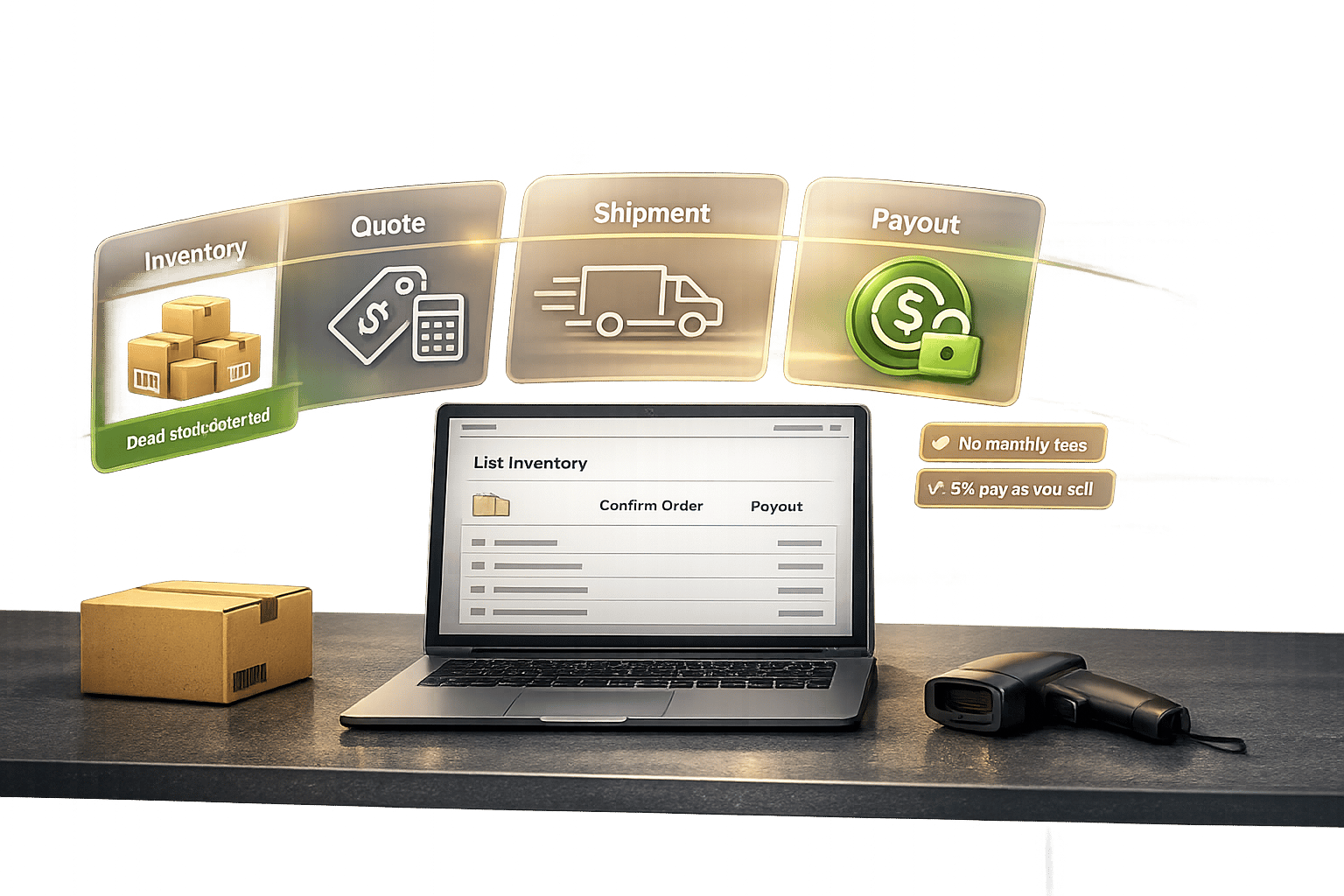
Platforms like ForthClear make bulk purchasing easier by connecting buyers with verified suppliers, offering secure payment systems, and providing real-time tracking. This helps businesses save money, streamline operations, and reduce waste, making bulk buying a practical solution for supply chain challenges.
How Does Bulk Distribution Impact Global Supply Chains? - Ultimate Life Hacks
Common Supply Chain Problems
When businesses rely on frequent, small orders, they often encounter hidden challenges that manifest as higher costs, stressed employees, and dissatisfied customers. Recognizing these issues is the first step toward resolving them.
High Costs from Scattered Purchasing
Placing numerous small orders across departments can quickly become a financial drain. Without bulk purchasing, unit costs can climb by as much as 10% due to the absence of volume discounts.
The administrative workload also skyrockets. Each order requires separate processing and tracking, which consumes valuable time. For example, a facility handling 50 individual departmental orders each month might spend over 200 hours on administrative tasks. By consolidating those orders into bulk purchases, this workload could drop to just 20-30 hours. That’s a significant amount of time and labor that could be redirected toward more strategic activities.
Scattered purchasing often leads to emergency orders, which come with expensive expedited shipping fees. These inefficiencies can push procurement costs up by 15-25% compared to centralized bulk buying.
Additionally, fragmented orders weaken your negotiating power with suppliers. Vendors prioritize high-volume clients, offering them better pricing, service, and support. Businesses making small, inconsistent purchases are often treated as low-priority customers, leaving no room to negotiate better deals.
These inefficiencies ripple through the supply chain, contributing to unpredictable inventory levels.
Inconsistent Inventory Levels
The financial strain caused by scattered purchasing also disrupts inventory management. Irregular ordering patterns lead to stockouts and overstocking, creating operational chaos. Without a clear view of company-wide needs, some items sit unused while others run out unexpectedly, impacting daily operations.
Stockouts can halt production lines, delay customer orders, and harm satisfaction ratings. Customers don’t care about internal procurement issues - they only see a business failing to meet its promises. For industries with tight deadlines, these shortages can directly affect revenue.
On the other hand, excess inventory wastes storage space and ties up capital that could be used elsewhere. Duplicate stock from fragmented ordering often sits idle, with some items expiring or becoming obsolete before they’re ever used. This represents lost money that never delivers any value.
Without centralized tracking, teams struggle to anticipate seasonal demand or respond to unexpected supply chain disruptions. They lack the ability to identify consumption trends or accurately forecast future needs, resulting in a constant cycle of imbalance. One month, warehouses overflow with unused stock; the next, they’re scrambling to fill critical gaps.
Delayed Customer Orders
The combined impact of high costs and inventory mismanagement ultimately delays customer orders. When inventory levels are unpredictable, stockouts become routine, stretching delivery times and frustrating customers.
Businesses that avoid bulk purchasing often maintain minimal safety stock, leaving them vulnerable to supply chain disruptions. Supplier delays, transportation issues, or sudden demand spikes can bring operations to a standstill for companies without adequate reserves. During peak seasons or unexpected disruptions, these businesses struggle to meet demand, while bulk buyers continue to operate smoothly. This inability to absorb supply shocks leads to lost sales and a tarnished reputation that’s difficult to repair.
The lack of standardization across departments further complicates matters. When teams order different brands or specifications of the same product, it creates confusion. Staff must learn to handle various product variations, storage becomes chaotic, and finding the right item takes longer than it should. This disorganization slows order fulfillment and increases the risk of errors, further delaying customer deliveries.
How Bulk Buying Streamlines Procurement
Consolidating orders can simplify procurement processes in a big way. Instead of managing countless individual transactions, organizations can merge departmental needs into larger, more efficient orders, cutting down on complexity and saving both time and resources.
Fewer Orders, Less Hassle
When departments combine their orders, the entire purchasing process becomes more centralized and manageable. This streamlined approach reduces administrative tasks, clears up miscommunication between teams, and prevents redundant or conflicting orders. It also enhances transparency, making it easier to keep track of budgets and purchasing activities. Instead of monitoring dozens of small transactions, procurement teams can focus on just a few bulk purchases, freeing them up to tackle higher-priority projects.
Standardizing product choices is another benefit of bulk buying. Without consolidation, different departments might order various brands of the same item, creating confusion and inefficiencies. Centralized ordering ensures consistency - whether it’s in product selection, storage, or staff training. This standardization simplifies everything from usage instructions to inventory management, while employees benefit from working with familiar products, reducing mistakes and learning curves.
Bulk deliveries also allow for better planning. Rather than receiving multiple shipments at random times, organizations can schedule deliveries to align with their operational needs. Tools like templates, reorder checklists, and automated systems can make the process even smoother. Suppliers may even collaborate to create recurring delivery schedules or usage-based recommendations, turning a once-complicated task into a predictable routine.
The result? A more efficient process that saves time and money.
Time and Cost Savings
Bulk ordering doesn’t just reduce complexity - it also delivers noticeable financial and time benefits. By placing larger, less frequent orders, procurement teams spend less time on inventory checks, supplier negotiations, and order tracking. This efficiency gives them more room to focus on strategic goals.
Cost savings are another major perk. Vendors often offer discounts on larger orders, lowering the per-unit price. Additionally, combining orders across departments can cut down on shipping fees. Instead of paying multiple shipping costs for separate orders, consolidated deliveries might even qualify for free or reduced shipping rates. Bulk buying also helps organizations lock in stable pricing, shielding them from market fluctuations.
Larger, consistent orders can also strengthen relationships with suppliers. Organizations that place high-volume orders are often seen as valuable clients, which can lead to perks like better pricing, faster service, and more favorable terms. Plus, by avoiding last-minute supply runs or expedited shipping costs, organizations gain greater control over their budgets. Centralized tracking of bulk orders provides insights into usage patterns, helping teams adjust for seasonal trends or unexpected spikes in demand and make smarter purchasing decisions.
These combined efficiencies lay a solid foundation for integrating technology to further enhance bulk procurement strategies.
Maintaining Consistent Inventory Levels
One of the biggest challenges in supply chain management is keeping inventory levels steady and reliable. Bulk purchasing can be a game-changer here, offering a way to maintain stock without the hassle of constant reordering. This approach not only ensures supply stability but also supports better stock management and demand forecasting.
Keeping Enough Stock on Hand
Bulk purchasing helps businesses maintain enough inventory to meet demand, which is crucial for smooth operations. This is especially important in industries where delays can lead to significant costs. Take steel distributors, for example: buying raw materials in bulk can lead to savings of around 10% compared to smaller orders, with these discounts adding up over time. Beyond cost savings, this strategy reduces the risk of production delays and helps maintain customer trust.
Having a well-stocked inventory also means businesses can fulfill orders faster, boosting customer satisfaction. Additionally, scheduling bulk deliveries can make storage more efficient by cutting down on duplicate stock and keeping inventory organized.
Better Demand Planning
Bulk purchasing doesn’t just solve short-term inventory needs - it also provides valuable insights for long-term planning. By consolidating orders and monitoring usage across various departments or locations, businesses can uncover patterns in consumption, identify seasonal trends, and forecast demand more accurately. This helps procurement teams fine-tune their ordering strategies.
Tools like reorder templates and automation make it easier to spot purchase patterns, preventing both overstocking and stockouts. Bulk purchasing also strengthens supplier relationships, as suppliers are often more inclined to prioritize consistent, large orders and provide better support during unexpected changes in demand.
Technology platforms like ForthClear make the process even smoother. With features like real-time communication, order tracking, and access to verified suppliers, these platforms simplify securing the right inventory quantities. They also promote sustainable practices by reducing waste.
"Easy to get started and offload some of our products that were nearing expiry date. Very helpful that ForthClear helps to find buyers in the process." - Hylke Reitsma, Co-founder
sbb-itb-bc600a0
Lowering Shipping Costs and Carbon Footprint
Buying in bulk does more than just keep inventory steady - it also makes shipping more efficient. By combining orders into larger shipments, businesses can save on logistics costs and reduce their environmental impact at the same time. This approach is a win-win for companies aiming to balance profitability with sustainability, offering a clear path to cutting shipping expenses.
Reduced Transportation Expenses
Every shipment comes with costs - freight charges, handling fees, documentation, and sometimes expedited delivery fees. When businesses spread out their orders into smaller, frequent shipments, these costs can quickly add up. Bulk purchasing changes this dynamic by consolidating multiple small orders into fewer, larger deliveries, which leads to significant savings thanks to economies of scale.
For instance, a facility that used to place 10 separate weekly orders can shift to making just 2–3 bulk orders per month. This adjustment lowers per-unit shipping costs dramatically. Many carriers offer better freight rates for higher volumes, and businesses often qualify for free or discounted shipping when they meet minimum order thresholds. By centralizing orders and consolidating shipments, companies can further cut logistics expenses. Bulk orders also unlock better freight discounts, helping to trim overall transportation budgets.
Environmental Benefits
Beyond cost savings, bulk purchasing offers clear environmental advantages. Larger shipments mean fewer trips, which translates to lower fuel consumption and reduced carbon emissions. When businesses scatter their orders across the month, each delivery adds to the number of trips required. Consolidating these into bulk deliveries minimizes transportation-related greenhouse gas emissions.
Another benefit of bulk buying is the reduction in packaging waste. Larger shipments require less packaging material per unit compared to multiple smaller orders. Instead of receiving 10 individual packages, a single bulk delivery uses far less cardboard, plastic wrap, and other materials. This not only supports sustainability efforts but also lowers disposal costs. It’s a practical step toward greener business practices and a more efficient supply chain.
"Every deal on Forthclear reduces waste and promotes a more circular economy for eCommerce." - ForthClear
Businesses can track these improvements by measuring reductions in carbon emissions from fewer delivery trips and less packaging waste. Many companies use metrics like tons of carbon avoided or percentage reductions in packaging to highlight their progress in sustainability reports and stakeholder updates.
The combined benefits of cost savings and environmental responsibility create a positive feedback loop. By keeping inventory levels steady through bulk orders, businesses avoid last-minute shipments, which are often more fuel-intensive and generate higher emissions. This strategy also reduces the need to source materials from distant suppliers, further shrinking the carbon footprint.
Platforms like ForthClear simplify surplus inventory management. Their bulk pricing options and real-time communication tools make it easier for businesses to coordinate large-scale purchases. Plus, by facilitating the resale of excess stock instead of disposal, they promote sustainable commerce practices.
Strengthening Supplier Partnerships
Bulk purchasing doesn’t just save money - it transforms the way businesses interact with suppliers, creating stronger partnerships that lead to better pricing, improved service, and long-term dependability.
Suppliers naturally prioritize clients who bring consistent, predictable revenue. When a business consolidates smaller, scattered orders into one large monthly purchase, it signals steady demand - something suppliers highly value. This kind of relationship often opens the door to more favorable pricing and dependable service.
Getting Better Pricing and Terms
Bulk purchases give businesses a powerful edge when negotiating with suppliers. Larger orders reduce suppliers’ per-unit costs and streamline their operations, which means they’re often willing to pass those savings along. But it’s not just about shaving a few cents off each item - bulk buyers can negotiate across multiple areas to maximize value.
Take raw materials like steel or metals, for example. Companies buying in bulk often secure discounts of around 10% compared to smaller orders. Beyond price, there’s room to negotiate extended payment terms, tiered discounts based on order size, or even seasonal pricing adjustments to better align with cash flow.
Modern tools like ForthClear simplify this process by automating bulk pricing and enabling direct negotiations with suppliers. This eliminates much of the back-and-forth that typically slows down procurement, allowing businesses to close deals faster and secure customized terms.
"Unlock deals up to 70% off retail with full buyer protection, held in escrow until you confirm the goods arrived." - ForthClear
Bulk buyers also benefit from tailored solutions like automated reordering and usage-based recommendations, which help streamline inventory management and reduce waste.
More Dependable Suppliers
In many industries, reliability can matter even more than price. Bulk purchasing builds trust and consistency with suppliers, ensuring businesses have access to critical materials even during peak demand or unexpected disruptions.
When suppliers know they can count on regular, large orders, they’re more likely to prioritize those clients. They might even reserve inventory specifically for them. This kind of reliability is crucial in industries where delays can lead to significant costs. Suppliers with established relationships often provide early warnings about potential issues and work collaboratively to find solutions.
For bulk-buying clients, this proactive communication eliminates the stress of last-minute scrambling to fill gaps. Instead of dealing with stockouts at the worst possible time, businesses receive advance notice and alternative options, keeping operations running smoothly.
Service quality also improves. Bulk buyers typically enjoy faster order processing, priority handling, dedicated account management, and quicker responses to inquiries or problems. Suppliers may even offer early access to new products, promotions, or pricing changes, giving bulk buyers an edge over their competitors.
Platforms like ForthClear enhance these relationships by connecting businesses with verified suppliers and offering secure escrow payments. Real-time communication and order tracking provide transparency, ensuring consistent supply and service quality.
Over time, these strong partnerships deliver compounding benefits. Financially, businesses save through consistent discounts, better payment terms, and fewer emergency orders. Operationally, reliable suppliers help minimize disruptions, improve inventory management, and create more predictable supply chains that support growth. These relationships often evolve, with suppliers offering even better terms, exclusive product access, and collaborative opportunities to boost efficiency.
The stability gained from dependable suppliers allows businesses to plan further ahead with confidence, instead of constantly reacting to supply chain uncertainties. In competitive markets, this can make all the difference, enabling businesses to offer better prices, faster service, and greater reliability than competitors without these strong supplier relationships. Ultimately, robust supplier partnerships don’t just lower costs - they create a more resilient and efficient supply chain that drives lasting success.
Using Technology Platforms for Bulk Purchasing
Gone are the days when bulk purchasing meant juggling spreadsheets and endless phone calls. Today, digital platforms streamline the process, bringing together suppliers, transparent pricing, and secure transactions in one place. For businesses aiming to make the most of bulk buying, these tools eliminate much of the manual work that used to bog down procurement teams.
These platforms are reshaping how companies approach bulk purchasing. Instead of managing multiple supplier relationships across different channels, businesses can centralize their procurement efforts, monitor orders in real-time, and negotiate prices more effectively. The results? Quicker decisions, lower administrative overhead, and better visibility across the entire supply chain.
How ForthClear Simplifies Bulk Orders

ForthClear tackles the challenges of bulk purchasing head-on by connecting buyers with verified suppliers across more than eight product categories, including electronics, apparel, and home goods. Designed specifically for surplus inventory and bulk orders, this centralized marketplace makes the process seamless.
One standout feature is the supplier verification process, which significantly reduces risk. Bulk orders often involve substantial financial commitments, and knowing you're working with vetted suppliers eliminates the need for lengthy due diligence. This confidence, combined with automated tiered bulk pricing, makes decision-making far more efficient.
Speaking of pricing, ForthClear’s automated tiered system ensures buyers see immediate cost benefits. Sellers set quantity-based discounts, so the larger the order, the better the rate - often with discounts exceeding 10% for regular bulk purchases.
The platform also prioritizes secure transactions. Using Stripe Connect, ForthClear offers an escrow payment system that holds funds until buyers confirm the goods meet expectations. This arrangement minimizes financial risks, especially for large orders, by ensuring payments are only released upon satisfactory delivery.
Real-time communication tools are another game-changer. Buyers can submit detailed requests for quotes (RFQs) and negotiate directly with sellers through private messaging. This instant interaction is particularly useful for complex bulk orders that involve customization or intricate pricing.
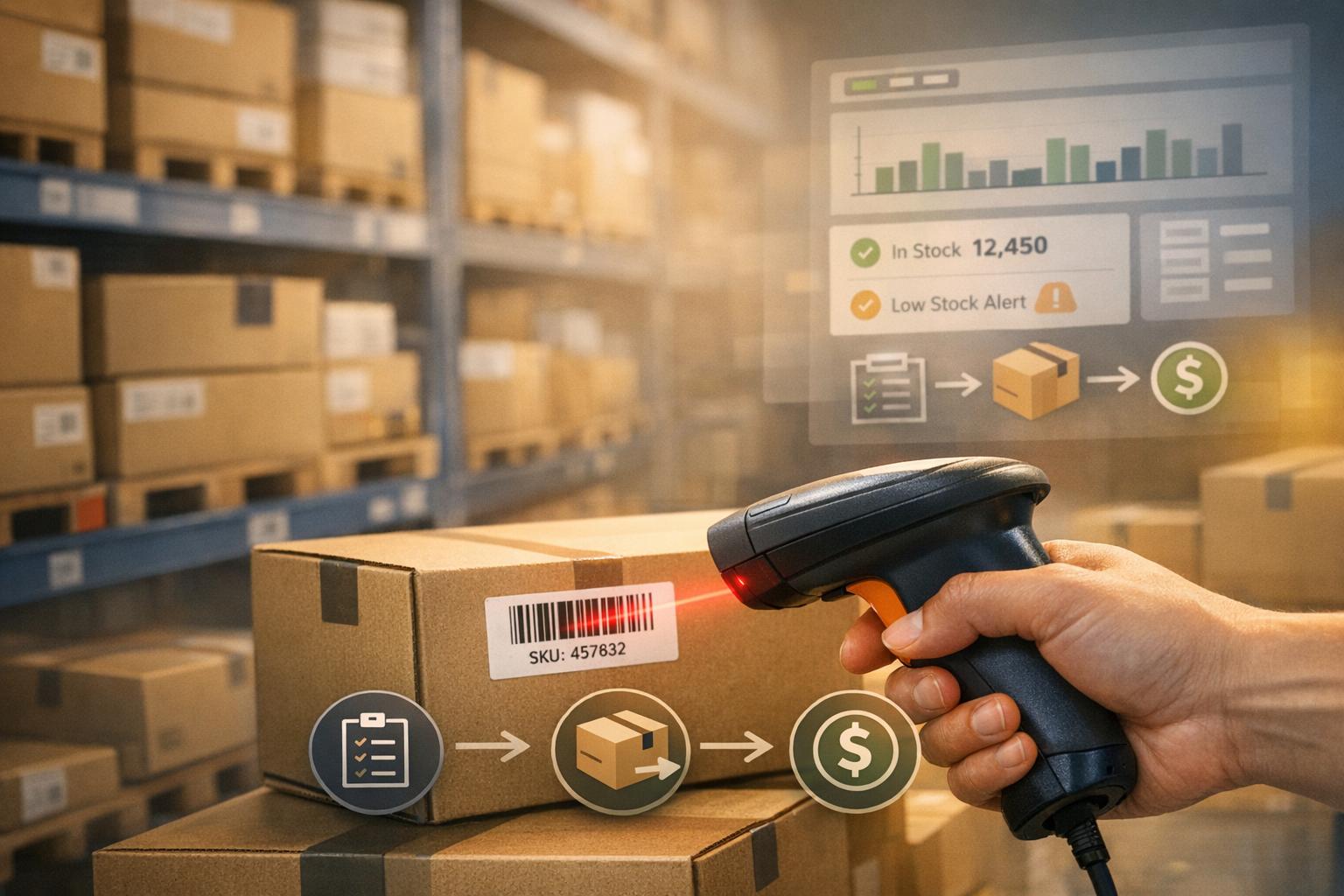
Additionally, ForthClear’s order tracking system provides full visibility from purchase to delivery. Procurement teams can monitor shipments in real-time, making it easier to coordinate warehouse space, staffing, and logistics. This eliminates the guesswork that often leads to overstocking or running out of inventory. Together, these features make platforms like ForthClear indispensable for modern bulk purchasing.
ForthClear also keeps costs manageable. Buyers can browse and purchase without fees, while sellers pay competitive rates to ensure secure transactions. With a 95% customer satisfaction rate and a 5-star rating, the platform clearly delivers on its promise to simplify bulk procurement.
"ForthClear has revolutionized how we handle excess inventory. The secure payment system and quality suppliers have made our sourcing process incredibly efficient." - Gordon Belch, Co-founder
Reducing Waste Through Surplus Inventory
Beyond simplifying bulk orders, digital platforms address another major issue: surplus inventory. Businesses often face unexpected market shifts or overestimate demand, leaving them with excess stock that ties up capital and space. Meanwhile, other companies may need these products but prefer not to pay full retail prices. ForthClear bridges this gap by turning surplus inventory into a win-win opportunity.
For buyers, surplus inventory offers massive savings - up to 70% off retail prices. This is especially useful for businesses testing new products or those with flexible needs, as it provides significant cost reductions compared to traditional bulk purchasing.
This approach also promotes sustainable practices. Instead of sending perfectly good products to landfills, businesses can offload slow-moving or overstocked items through ForthClear, recovering value while helping others save on procurement. Sellers benefit by freeing up capital, while buyers reduce costs, and the environment gains from less waste and fewer transportation demands.
Listing surplus inventory on ForthClear is simple, whether through manual entry or CSV uploads. Sellers can quickly add key details like SKUs, quantities, and tiered pricing. On the buyer side, intuitive browsing by category, price, or quantity makes it easy to spot deals. The same escrow protection and order tracking apply to surplus transactions, ensuring secure and transparent exchanges.
In short, ForthClear doesn’t just make bulk purchasing easier; it also turns surplus management into a cost-saving and sustainable process.
Conclusion
Bulk purchasing offers a smart way to simplify supply chain management. By combining multiple smaller orders into larger ones, businesses can cut down on the hassle of juggling countless purchases across departments. This method not only saves time but can also slash per-unit costs by 10% or more, reduce shipping expenses, and free up procurement teams to focus on more strategic tasks rather than routine ordering.
Keeping inventory levels steady is another perk of bulk buying. It helps businesses avoid stockouts or overstocking, makes demand forecasting more accurate, and often secures better deals from suppliers. With a clearer view of consumption trends, companies can plan more effectively and fulfill orders more reliably. Plus, building stronger relationships with suppliers often leads to perks like better pricing, priority service, and flexible terms - all of which strengthen overall operations.
From an environmental perspective, bulk shipments are a win as well. They cut down on the number of deliveries, reduce carbon emissions, and minimize packaging waste. For ecommerce businesses, which are increasingly under pressure to show their commitment to sustainability, these benefits align operational efficiency with eco-friendly practices.
Platforms like ForthClear make bulk purchasing even more appealing. They simplify the process of managing surplus inventory by enabling businesses to liquidate excess stock and access inventory at up to 70% off retail prices. Features like verified suppliers, secure escrow payments, and real-time tracking add further convenience and reliability.
For ecommerce operations, the benefits of bulk buying go beyond just saving money. It enhances operational efficiency, supports sustainable practices, and creates a competitive edge. While it does require some upfront planning, the payoff - better profit margins, faster order fulfillment, and a more resilient supply chain - makes it a strategic move worth considering.
In today’s rapidly changing supply chain landscape, bulk purchasing, when paired with modern technology, is a powerful tool for driving growth and operational success.
FAQs
How does bulk buying help reduce environmental impact in supply chains?
Buying in bulk can help reduce environmental impact in several ways. For starters, it cuts down on packaging waste since larger quantities often come with less individual wrapping. It also trims transportation emissions - fewer shipments are needed when orders are consolidated into bigger batches, which means a smaller carbon footprint from logistics. Plus, bulk purchasing can help avoid overproduction and excess inventory, leading to smarter resource use and less waste throughout the supply chain.
What challenges might businesses face when adopting a bulk buying strategy?
While buying in bulk can help cut costs and simplify operations, it does come with a few hurdles businesses need to navigate. One of the main issues is storage space - purchasing large quantities means you’ll need enough room to store all that inventory, which can be a challenge for businesses with limited facilities.
There’s also the matter of higher upfront costs. Bulk purchasing often requires a significant initial investment, which can strain cash flow, especially for smaller businesses.
Another tricky aspect is the risk of overstocking. If demand is overestimated, you could end up with more inventory than you can sell. This not only ties up valuable capital but can also lead to waste if products expire or become obsolete.
To avoid these pitfalls, it’s important to evaluate your storage capacity, cash reserves, and demand patterns carefully before diving into bulk buying. A well-thought-out approach can help you reap the benefits without unnecessary headaches.
How do platforms like ForthClear make bulk purchasing more efficient for businesses?
Platforms such as ForthClear make bulk purchasing easier by providing features like bulk pricing, secure escrow payments, and real-time order tracking. Businesses can quickly find surplus inventory, request quotes, and negotiate directly with trusted suppliers.
This approach simplifies the buying process, lowers costs, and enhances order fulfillment, ultimately boosting the efficiency and reliability of supply chain operations.